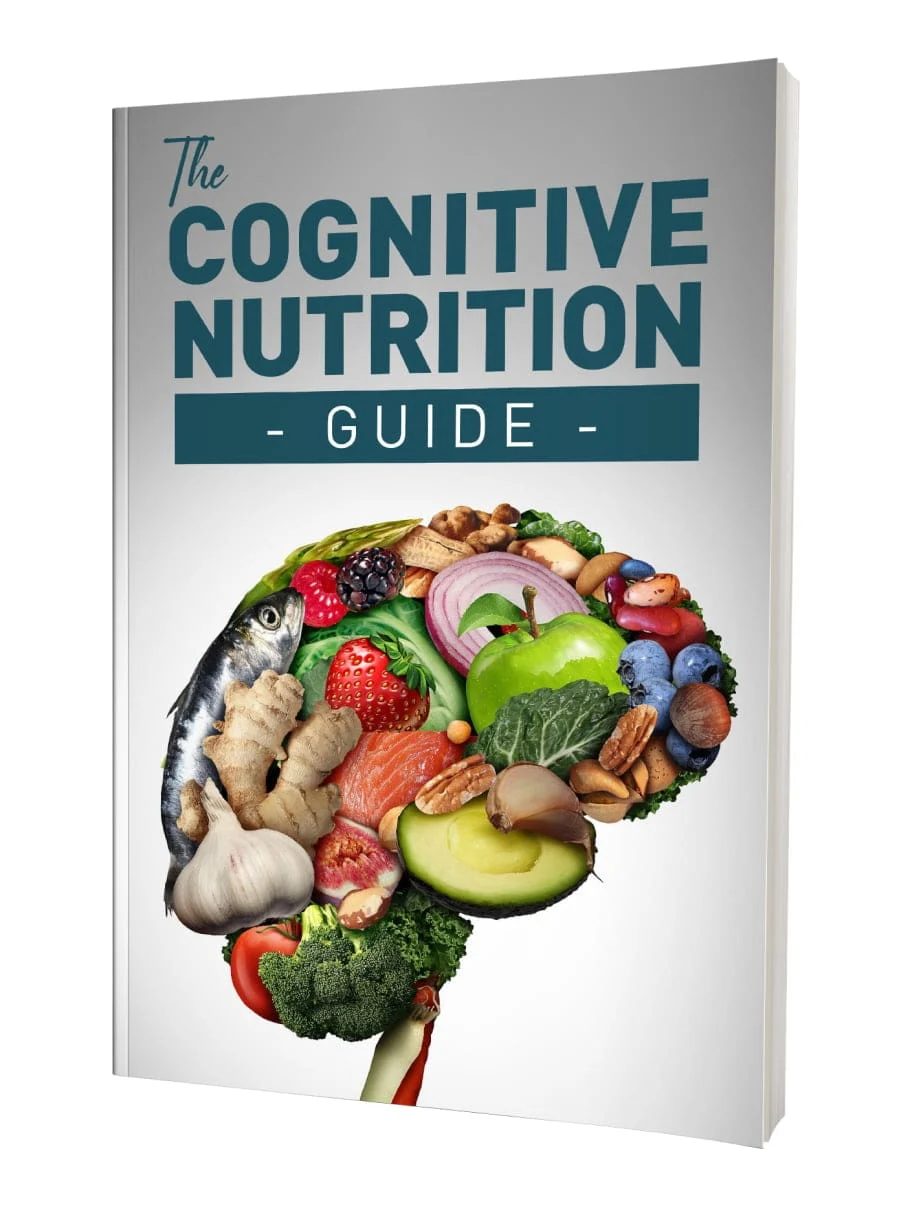
Feeling like your memory isn't what it used to be?
It's a common concern, especially as we age, to experience moments of forgetfulness, difficulty concentrating, or a general decline in mental sharpness. The good news is that memory loss isn't always an inevitable part of aging, and there are powerful, natural strategies you can adopt to support and enhance your cognitive function.
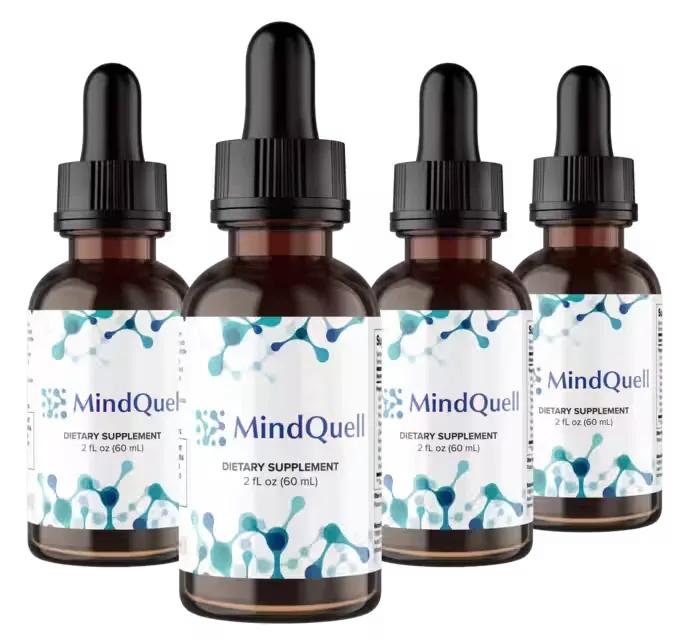
From optimizing your daily nutrition to integrating specific lifestyle habits, this article will guide you through evidence-based approaches to improve your memory support naturally, including how certain vitamins and supplements like MindQuell can play a crucial role in your journey towards a sharper mind.
Understanding Memory Loss: A Natural Perspective
Memory loss can manifest in various ways, from forgetting names and appointments to struggling with complex tasks. While some decline is normal with age, significant or rapid changes warrant attention. Many factors contribute to memory issues, including nutrient deficiencies, chronic stress, lack of sleep, poor diet, and insufficient physical activity.
From a natural health perspective, addressing memory loss involves a holistic approach that nurtures the brain's intricate networks. Our brain is an incredibly complex organ, constantly forming new connections and processing information. When this delicate balance is disrupted by environmental factors, lifestyle choices, or nutritional gaps, cognitive function, including memory, can suffer. Understanding the root causes is the first step towards effective, natural intervention.
The Brain's Nutritional Needs: Fueling Memory
Just like any other organ, the brain requires specific nutrients to function optimally. A deficiency in key vitamins and minerals can directly impact cognitive processes, leading to impaired memory, focus, and overall mental clarity. The modern diet, often high in processed foods and low in essential nutrients, can inadvertently starve our brains of what they truly need. This is why focusing on a nutrient-dense diet and targeted supplementation becomes paramount for memory support.
For instance, certain B vitamins are critical for nerve signal transmission and the production of neurotransmitters, the chemical messengers of the brain. Antioxidants protect brain cells from damage caused by free radicals, while healthy fats are integral to brain cell structure. Without these foundational elements, the brain struggles to maintain its efficiency and resilience. By consciously providing these nutrients, we create an environment conducive to robust cognitive health and enhanced memory function.
Lifestyle as a Foundation for Cognitive Health
Beyond nutrition, our daily habits and routines play a profound role in shaping our cognitive landscape. Chronic stress, for example, can flood the brain with cortisol, a hormone that, in excess, can damage brain cells and impair memory. Similarly, inadequate sleep deprives the brain of essential time for memory consolidation and waste removal, leading to mental fog and reduced recall. Conversely, engaging in regular physical activity boosts blood flow to the brain, promoting the growth of new brain cells and improving neural connectivity.
Social interaction and continuous learning also act as powerful cognitive stimulants, keeping our minds agile and resilient. These lifestyle factors are not merely supplementary; they are foundational pillars upon which optimal memory function is built. Integrating these practices into our daily lives can create a powerful synergy with nutritional support, offering a comprehensive strategy for natural memory enhancement. For more insights on this, you can read our article on how to improve memory support naturally.
💡 Key Takeaway
Memory loss is often influenced by lifestyle and nutrition. A holistic approach focusing on diet, exercise, stress management, and targeted supplementation can significantly support and improve cognitive function naturally, rather than viewing memory decline as inevitable.
Essential Vitamins & Nutrients for Memory Support
Nature provides a powerful arsenal of vitamins, minerals, and compounds that are vital for maintaining and improving memory. Incorporating these into your diet or through high-quality supplements can make a significant difference.
B Vitamins (B6, B9/Folate, B12)
These essential vitamins are critical for nerve health and the production of neurotransmitters, the chemical messengers in your brain. They also help reduce homocysteine levels, an amino acid linked to cognitive decline when elevated. Adequate intake of B vitamins supports overall brain function, including memory formation and recall.
Omega-3 Fatty Acids (DHA & EPA)
Found abundantly in fatty fish, walnuts, and flaxseeds, Omega-3s, particularly DHA, are crucial structural components of brain cell membranes. They are vital for maintaining brain cell flexibility and communication, reducing inflammation, and supporting the growth of new brain cells. Research consistently links higher Omega-3 intake with better cognitive function and memory.
Antioxidants (Vitamins C & E)
The brain is highly susceptible to oxidative stress, which can damage brain cells and accelerate cognitive aging. Vitamins C and E are powerful antioxidants that neutralize free radicals, protecting your brain from damage. Vitamin C also supports neurotransmitter synthesis, while Vitamin E is associated with preserving cognitive function in later life.
Vitamin D
Often associated with bone health, Vitamin D receptors are also found in areas of the brain responsible for memory and cognition. Emerging research suggests a strong link between Vitamin D deficiency and cognitive impairment. Optimal Vitamin D levels are believed to support neuroprotection, reduce inflammation, and enhance overall brain health.
Magnesium
This vital mineral plays a role in over 300 biochemical reactions in the body, including many critical for brain function. Magnesium is essential for synaptic plasticity, the ability of brain synapses to strengthen or weaken over time, which is fundamental to learning and memory. It also helps regulate neurotransmitters that are vital for mood and cognitive processes.
Zinc
Zinc is highly concentrated in the hippocampus, a brain region crucial for memory and learning. It plays a key role in synaptic transmission and neuronal signaling. Zinc deficiency has been linked to impaired cognitive function, making its adequate intake important for maintaining sharpness and recall abilities.

Lifestyle Habits That Boost Memory
Beyond nutrition, your daily habits significantly influence your cognitive health. Integrating these practices can create a synergistic effect, enhancing your brain's natural ability to remember and learn.
Prioritize Quality Sleep
Sleep is not merely a period of rest; it's an active process during which your brain consolidates memories, clears out metabolic waste, and repairs itself. Chronic sleep deprivation can severely impair memory, attention, and problem-solving skills. Aim for 7-9 hours of uninterrupted, quality sleep per night. Establishing a consistent sleep schedule, creating a relaxing bedtime routine, and optimizing your sleep environment are crucial steps. Avoid screens before bed, limit caffeine and alcohol in the evenings, and ensure your bedroom is dark, quiet, and cool. Improving your sleep hygiene is one of the most impactful natural ways to support memory function.
Engage in Regular Physical Activity
Exercise isn't just good for your body; it's phenomenal for your brain. Physical activity increases blood flow to the brain, delivering vital oxygen and nutrients. It also stimulates the release of brain-derived neurotrophic factor (BDNF), a protein that promotes the growth of new brain cells and enhances synaptic plasticity – the brain's ability to form and strengthen connections. Studies show that aerobic exercise, even moderate walking, can improve memory and reduce the risk of cognitive decline. Aim for at least 150 minutes of moderate-intensity aerobic exercise per week, combined with strength training two days a week.
Adopt a Brain-Healthy Diet
What you eat directly impacts your brain health. A diet rich in whole, unprocessed foods, similar to the Mediterranean diet, is often recommended. This includes plenty of fruits, vegetables, whole grains, lean proteins, and healthy fats. Focus on foods high in antioxidants, Omega-3 fatty acids, and B vitamins. Limit processed foods, sugary drinks, and excessive saturated and trans fats, which can contribute to inflammation and oxidative stress, both detrimental to cognitive function. Consider incorporating "brain foods" like berries, leafy greens, nuts, seeds, and fatty fish into your daily meals.
Manage Stress Effectively
Chronic stress can be a silent killer for your memory. Prolonged exposure to stress hormones like cortisol can damage brain cells in the hippocampus, a region critical for memory formation. Finding healthy ways to manage stress is vital. Techniques such as mindfulness meditation, deep breathing exercises, yoga, spending time in nature, and engaging in hobbies can significantly reduce stress levels. Even short breaks throughout the day to relax and de-stress can make a difference. Reducing chronic stress not only protects your brain but also improves overall well-being. For more on this, explore our article on stress and memory support.
Stay Mentally and Socially Active
Just like muscles, your brain needs regular exercise to stay sharp. Engage in mentally stimulating activities like learning a new language, playing musical instruments, solving puzzles, reading, or taking up a new hobby. These activities challenge your brain, strengthen neural pathways, and can even stimulate the growth of new ones. Social interaction is equally important. Maintaining strong social connections can protect against cognitive decline, as it provides mental stimulation and emotional support, reducing feelings of isolation and depression, which are risk factors for memory issues.
The Role of Natural Supplements in Memory Enhancement
While diet and lifestyle are foundational, certain natural supplements can provide targeted support, especially when dietary intake of specific nutrients might be insufficient or when facing increased cognitive demands.
Bridging Nutritional Gaps
Even with the best intentions, it's challenging to consistently get all the necessary vitamins and minerals for optimal brain health from diet alone. Soil depletion, food processing, and individual dietary restrictions can lead to deficiencies. Natural supplements can effectively bridge these nutritional gaps, ensuring your brain receives a steady supply of essential compounds.
Targeted Cognitive Support
Beyond basic nutrition, some natural ingredients have specific neuroprotective or cognitive-enhancing properties. These compounds can support neurotransmitter balance, improve cerebral blood flow, reduce inflammation, and protect brain cells from oxidative damage. They offer a concentrated approach to addressing specific aspects of memory and cognitive function.
Synergistic Benefits
Many natural supplements are formulated to work synergistically, meaning their combined effect is greater than the sum of their individual parts. This allows for a more comprehensive approach to memory support, targeting multiple pathways involved in cognitive health simultaneously. For example, a blend might combine antioxidants with ingredients that improve circulation.
Enhancing Resilience
In today's fast-paced world, our brains are constantly under pressure. Natural supplements can help enhance the brain's resilience to stress, fatigue, and environmental toxins. By supporting the brain's natural defense mechanisms and its ability to adapt, these supplements can contribute to sustained mental performance and protect against age-related cognitive decline.
MindQuell: A Natural Ally for Memory Support
MindQuell is a natural supplement designed to complement your lifestyle efforts, providing targeted nutritional support for enhanced memory, focus, and overall cognitive vitality. It harnesses the power of carefully selected natural ingredients, each with a specific role in brain health.
Bacopa Monnieri Extract
An adaptogenic herb renowned in Ayurvedic medicine for its ability to enhance memory, learning, and cognitive processing. It supports neural communication by promoting the growth of dendrites, which are nerve cell branches.
Dose: 300-450mg daily
Ginkgo Biloba
Widely recognized for its potential to improve blood circulation to the brain, enhancing oxygen and nutrient delivery. This can lead to improved memory, focus, and mental sharpness, especially in older adults.
Dose: 120-240mg daily
Huperzine A
A potent compound extracted from Chinese club moss, Huperzine A works by inhibiting the breakdown of acetylcholine, a crucial neurotransmitter involved in learning and memory. This helps sustain higher levels of acetylcholine in the brain.
Dose: 50-200mcg daily
Lion's Mane Mushroom
This unique mushroom is gaining recognition for its neuroprotective properties and its ability to stimulate the production of Nerve Growth Factor (NGF), which is essential for the growth and survival of neurons. It supports cognitive function and reduces neuroinflammation.
Dose: 500-1000mg daily
Phosphatidylserine
A phospholipid that is a vital component of brain cell membranes. It plays a crucial role in maintaining cellular function in the brain, including nerve cell communication, and is often used to support memory, learning, and attention.
Dose: 100-300mg daily
B Vitamin Complex
MindQuell includes a comprehensive B vitamin complex (B6, B9, B12) to support energy metabolism in the brain, reduce homocysteine levels, and facilitate neurotransmitter synthesis, all essential for robust memory and cognitive function.
Dose: Optimal RDA blend
Ready to Reclaim Your Sharp Mind?
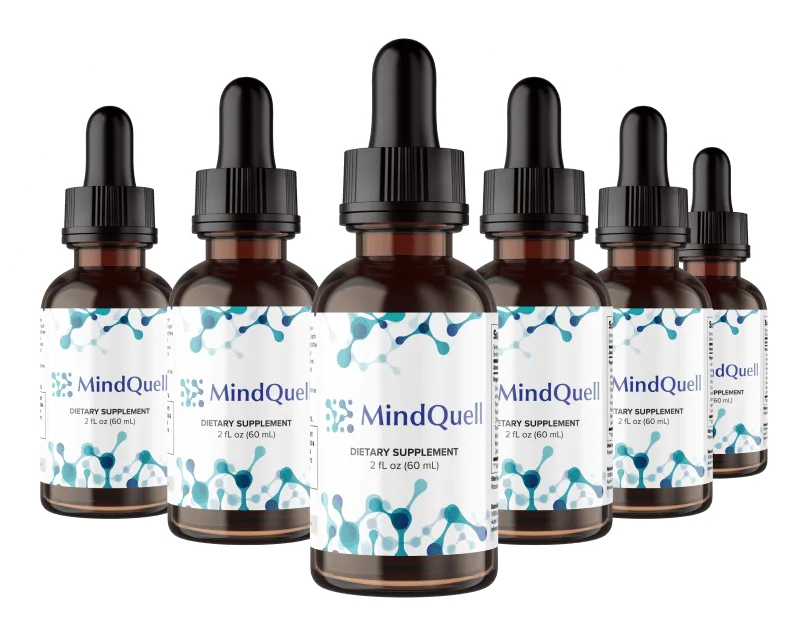
MindQuell offers a scientifically formulated blend of natural ingredients designed to support your memory, enhance focus, and promote overall cognitive vitality. Don't let forgetfulness hold you back any longer.
- ✓ Supports Enhanced Memory & Recall
- ✓ Boosts Focus and Mental Clarity
- ✓ Promotes Healthy Brain Cell Function
- ✓ Formulated with Clinically Studied Natural Ingredients
- ✓ Made in the USA in a GMP Certified Facility




What Our Users Are Saying About MindQuell
"I used to walk into rooms and forget why I was there. After a few weeks on MindQuell, I noticed a significant difference. My recall is sharper, and I feel more mentally agile. It's truly helped me keep up with my busy life!"
"As a student, focus and memory are everything. MindQuell has been a game-changer for my studies. I can absorb information faster and recall it during exams without that usual mental block. Highly recommend for anyone needing a cognitive edge."
"My doctor suggested trying natural ways to support my memory. MindQuell came up, and I decided to try it. I'm so glad I did! My husband even commented on how much more organized and less forgetful I've become. It's a noticeable improvement."
Frequently Asked Questions
Can memory loss be completely reversed naturally?
+While complete reversal of severe memory loss conditions like advanced dementia is not currently possible through natural means alone, many forms of age-related cognitive decline and mild memory issues can be significantly improved and even halted with a combination of lifestyle changes, targeted nutrition, and appropriate supplementation. Early intervention and consistent adherence to brain-healthy habits are key to seeing substantial improvements and maintaining cognitive function.
What are the most important vitamins for memory?
+Several vitamins and nutrients are crucial for optimal brain health and memory. Key examples include B vitamins (B6, B9/folate, B12) which support nerve function and neurotransmitter synthesis, Omega-3 fatty acids (DHA and EPA) vital for brain cell structure, Vitamin D for neuroprotection, and antioxidants like Vitamin E and C which combat oxidative stress. Minerals like magnesium and zinc also play significant roles in cognitive processes.
How does lifestyle impact cognitive function?
+Lifestyle profoundly impacts cognitive function. Regular physical exercise boosts blood flow to the brain and stimulates new brain cell growth. A balanced diet rich in fruits, vegetables, and whole grains provides essential nutrients and antioxidants. Adequate sleep is critical for memory consolidation and brain detoxification. Stress management techniques, social engagement, and continuous learning all contribute to maintaining cognitive vitality and resilience against memory decline.
Is MindQuell a natural supplement?
+Yes, MindQuell is formulated with a blend of natural ingredients known for their cognitive benefits. It is designed to support various aspects of brain health, including memory, focus, and mental clarity, using plant extracts, vitamins, and minerals. MindQuell emphasizes a natural approach to cognitive enhancement, aligning with the principles of holistic wellness.
How long does it take to see memory improvements with natural methods?
+The timeline for seeing memory improvements varies greatly depending on the individual, the severity of memory issues, and consistency of natural interventions. Some individuals may notice subtle improvements in focus and recall within a few weeks to a couple of months of consistent lifestyle changes and supplementation. Significant and lasting changes often require several months of dedicated effort, as brain health is a long-term endeavor.
Are there any side effects to natural memory support supplements like MindQuell?
+Natural memory support supplements, including MindQuell, are generally well-tolerated when taken as directed. However, as with any supplement, individual reactions can vary. Minor side effects might include mild digestive upset or allergic reactions in sensitive individuals. It is always recommended to consult with a healthcare professional before starting any new supplement regimen, especially if you have pre-existing medical conditions or are taking other medications, to ensure safety and suitability.
Related Articles